For one buyer, the appeal of the wig’s coloring is offset by a cap that becomes uncomfortable after hours of use. For another wearer, the appeal of the natural-looking hairline comes with a drawback: twenty minutes of work on the lace every morning is more than they want. For a third buyer, the look is not the issue. It is the heavier-than-expected feel created by the wig’s density.
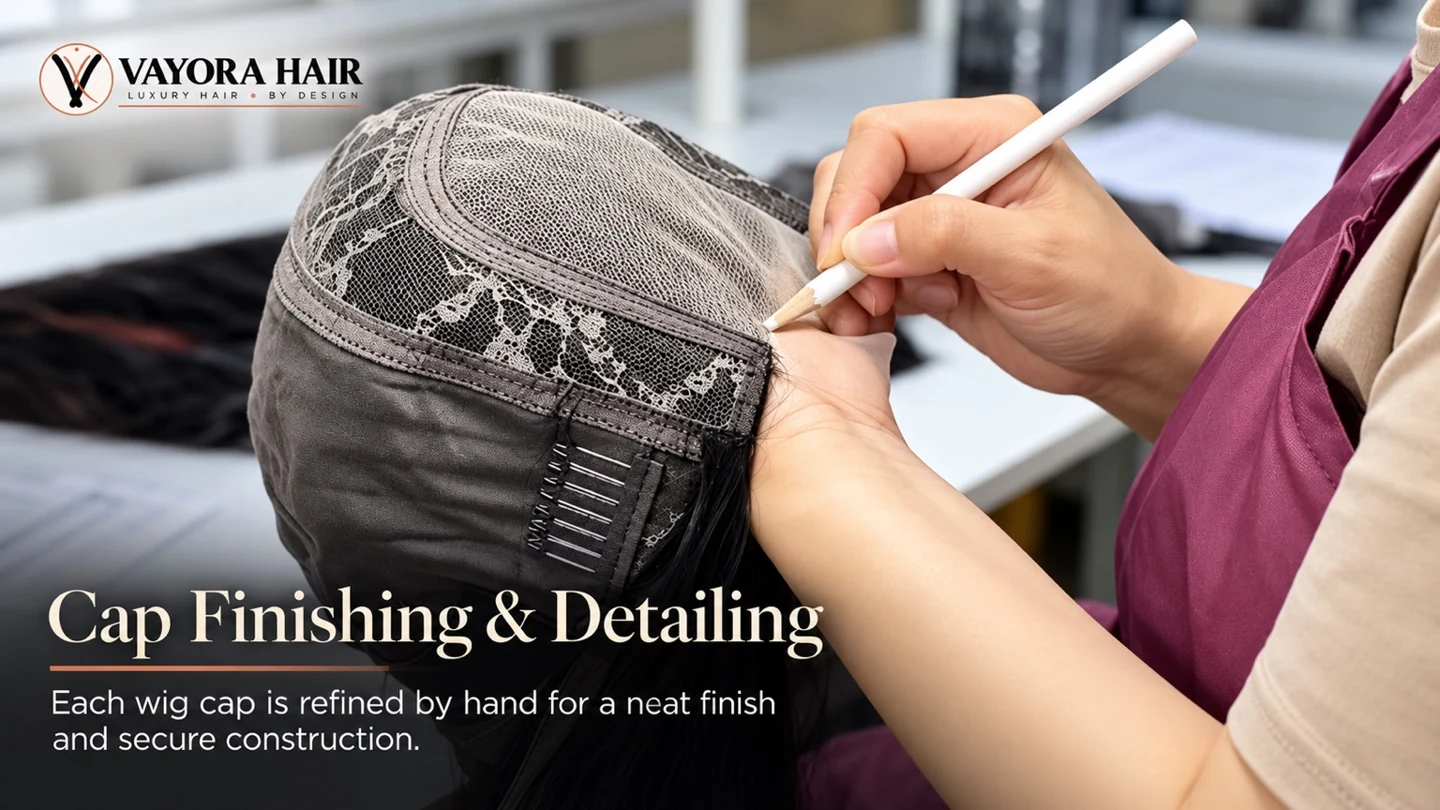
Image credit: vayorahair.com
For a wig brand, these comments are more than customer feedback. Such feedback can guide design decisions toward products that deliver a more enjoyable wearing experience.
Building a successful collection involves more than following the latest viral look. A collection should begin with the wearer’s needs and the experience they want when they put it on.
Listen to the Problems Behind the Purchase
Buyers do not usually use factory-specific terms to explain what they need. Instead, their comments center on comfort and convenience, appearance and confidence. A glueless design could be one response to feedback about simplifying morning preparation. Complaints about an unnatural hairline could indicate that lace appearance, knot treatment, density, or parting design needs attention.
When selecting a human hair wig manufacturer China brands should look for the ability to understand ordinary customer concerns and express them as measurable product specifications.
A request for a 22-inch body-wave wig can go beyond the basic style description: buyers can specify the desired wearing experience, cap fit, lace construction, hairline appearance, and finished weight. That level of detail gives the development team a clearer target.
How to Differentiate Your Private Label Wig Range
The products selling well right now often become the entire basis for a developing wig brand’s catalog, which can be a mistake. Rival retailers may end up offering remarkably similar collections.
Working with a private label wig manufacturer China retailers can collaborate with allows brands to develop a more consistent product identity. A brand could focus on lightweight everyday styles, a premium range with realistic hairlines, or ready-to-wear styles for customers who favor a simpler preparation routine. Texture, length, color, density, cap construction, and packaging should support the same customer promise. A recognizable collection gives shoppers a reason to return beyond a temporary discount.
Glueless Wigs Require More Than a Label
The straightforward label “glueless” does not capture the structural features that determine the wearing experience. To understand fit, consider cap sizing and adjustment features, attachment components, lace preparation, and hairline design. All influence how comfortable and secure the wig feels.
A glueless wig manufacturer China buyers choose should help clarify these requirements before production begins. A brand serving first-time wig users, for instance, might focus on manageable density, pre-cut lace, and straightforward adjustment features. By contrast, a range for styling professionals may call for different customization options. It would be a mistake to assume that one approach is always better. Each is intended for a different customer.
Sampling Protects the Brand’s Reputation
A product photograph cannot tell you everything about a wig. A buyer should assess how the cap fits and the hair moves, check the color against expectations, and confirm whether the finished construction matches the approved design. Before a larger purchase is placed, sampling can help reveal discrepancies.
Consistently producing the same style calls for written specifications and quality-control procedures, particularly for a wholesale human hair wigs supplier handling repeat orders. Even a successful initial batch may be hard to replicate consistently if clear references are missing.
Developing a Scalable Collection With a Clear Direction
VAYORA works with B2B wig retailers, distributors, and brands to support product development, private label services, sampling, specification control, and repeat-production processes. The focus is on connecting what wearers expect with the physical details responsible for how the wig looks, fits, and feels.
Prior to expanding a product range, brands should study customer feedback, recognize their strongest product opportunities, and set clear approval standards. The next collection’s success may have little to do with the number of additional styles. The greater opportunity may lie in making fewer compromises in the designs buyers already seek.