When you open a lengthy statement, it’s likely to contain much more information than just the ledger of transactions. Account summary, explanations, notifications and disclosures could include the information the bookkeeper requires.
Processing all data is not required if the project is to move the transactional data to an accounting software or spreadsheet. To create a more focused workflow, determine those pages that are helpful prior to creating the output.
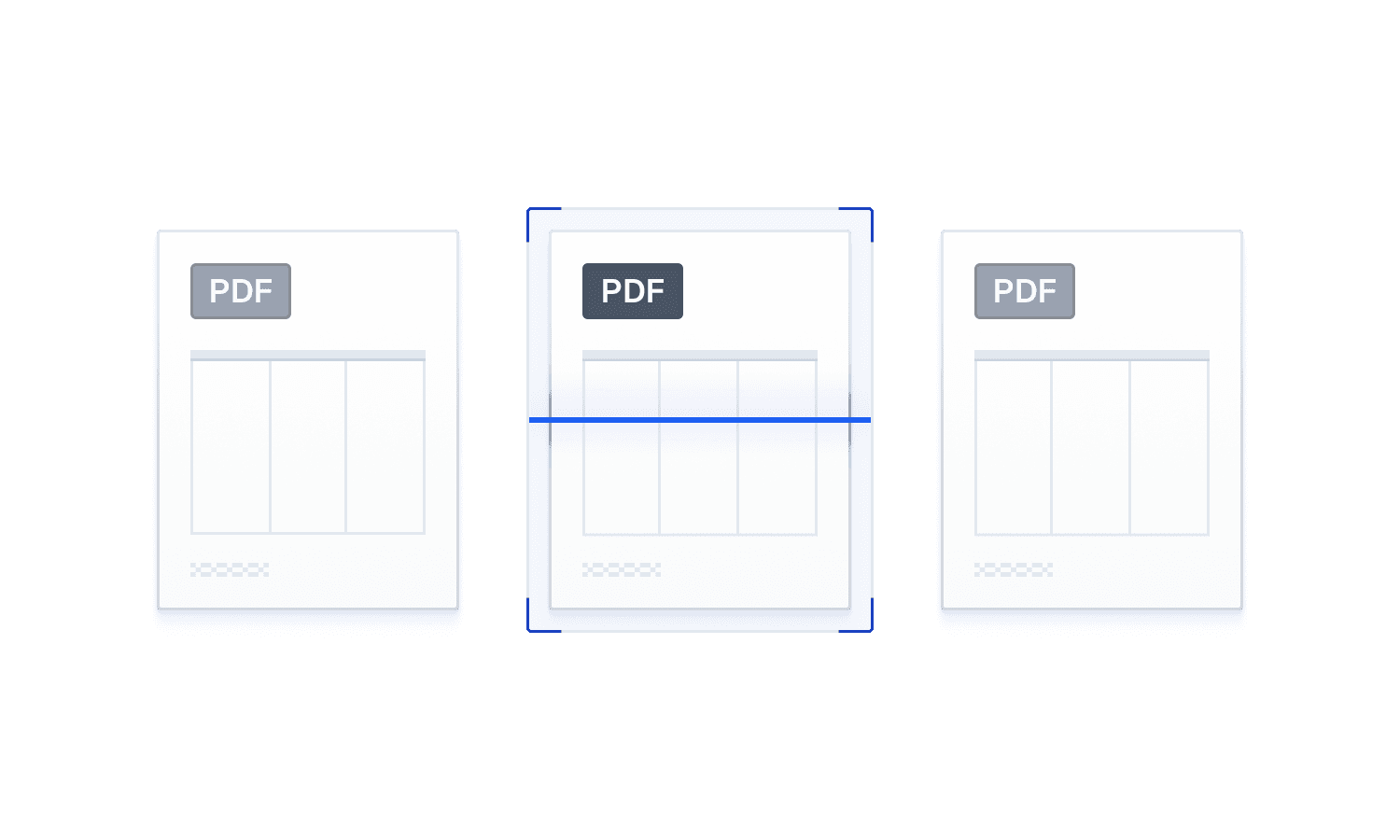
Image credit: docubrew.com
It’s Not Meant to Mean More Data.
Imagine a company looking over several months of bank transactions. While each monthly PDF might contain at least ten pages just a small percentage of it has the tables required for accounting.
The manual copying of those tables could be an option however, it’s slow and susceptible to mistakes. Businesses can convert bank statements into Excel but only the relevant pages.
Docubrew provides a page preview that lets users review the PDF and select which pages are processed. Disclosures, cover sheets, and other pages that aren’t required can be omitted.
Improve Control by Using Preview first
Automation is only beneficial when you are able to see the process it’s performing.
Instead of using a blind process to process a whole document, Docubrew lets users preview statements before they begin the conversion. It extracts figures directly from the statement source, instead of estimating the financial value.
When converting a PDF bank statement to Excel, that preview creates an opportunity to make sure the appropriate pages have been selected and examine the extracted information before downloading the result.
The checkpoint is straightforward but is crucial when it comes to financial records.
Exports should be shaped by the destination
What do you have in mind for the deal?
Excel can be useful if a bookkeeper wants to sort the data, look over rows, or modify the data. If the information is heading into a different system, CSV may fit the workflow better. Docubrew also can support QBO output.
A person who has to convert a bank statement to CSV for example it is possible to create CSV instead of creating a CSV instead of creating an Excel workbook in the beginning and manually changing formats later on.
Docubrew’s output is optimized to work with accounting software like QuickBooks, Xero, and FreshBooks, as well as spreadsheet-based workflows.
Scanned papers can be able to be seamlessly integrated into the workflow
The conversion can be made on any PDF document, not only digitally generated ones.
Some older statements are only available as paper scans. Docubrew can scan PDF documents, like statements.
It is a great option for working on accounting historical projects, where some records were digitized, while others were taken directly from paper. The documents can be converted using similar methods, and then reviewed before exporting.
Process locally or use the Cloud
The presentation of financial documents is just as important as the way they are handled.
Docubrew’s Windows Desktop application can convert documents locally on the client’s system. Cloud processing is available to users who prefer browser-based processes. Docubrew says that uploaded documents are protected and uploaded documents as well as the converted documents are automatically deleted after 24 hours.
The last step to convert the bank statement in PDF to Excel is not to input every page into the tool, hoping for a useful output.
Start by reading the pages that have the information you need. Check what is being extracted. Choose the best format to the next accounting job.
Sometimes a more efficient financial workflow is not achieved with processing more data or more, but by intentionally processing less.