A park district approves funding for a new public restroom. The restroom is located in an ideal location, and the team is set for the next stage.
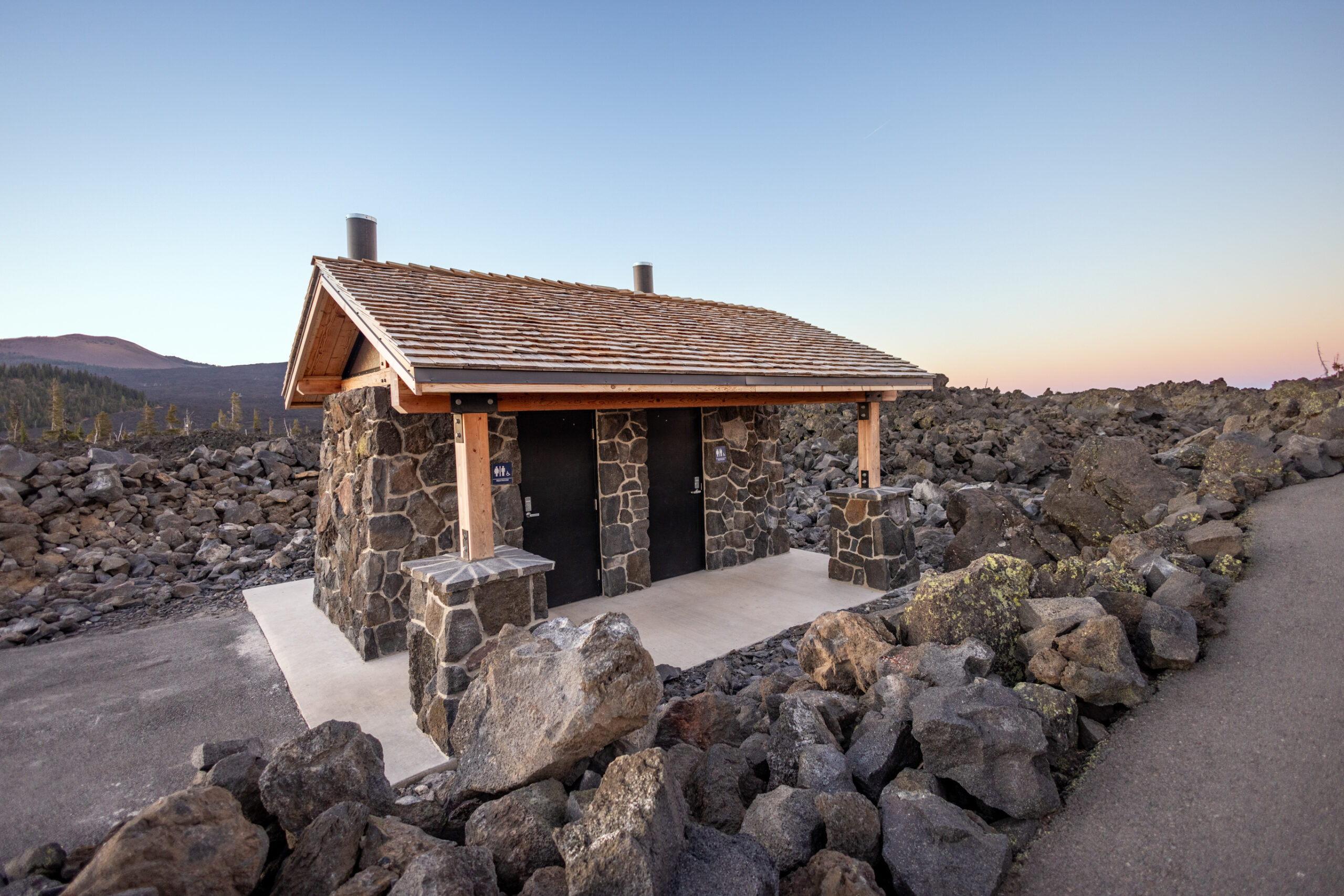
Image credit: romtec.com
The contractor will begin to look over the site. There is a water issue on the site proposed. There are more utility connections than what was expected. Delivery vehicles may have difficulty getting to the site of installation, and the building layout could not fit with the space available.
None of these concerns necessarily means the project cannot proceed. However, they can cause redesigns, further costs, or construction delays. Developers and public agencies are able to manage a bathroom project much more easily when the location’s requirements are taken into consideration at the beginning.
The whole picture can’t be shown by a drawing of a building
Before selecting prefabricated park restroom buildings, project teams should understand what the surrounding property can accommodate. Installation is affected by the location’s slope water drainage, utilities and accessibility to construction.
A bathroom near a playground, as an example might need to be connected to the current infrastructure for sewer and water. If the infrastructure in place isn’t in place, or if it is expensive to expand those connections, a new sanitation technique could be needed.
The foundation and the location of the building should also take into consideration any applicable codes, accessibility rules as well as site-specific restrictions. It’s possible that a traditional plan of the building appears good on paper, but it will require significant changes after these details have been examined.
Urban Projects have their own construction limitations
It’s more than finding a small space for a bathroom to be installed on the sidewalk. On sidewalks that are public there are usually underground utilities, pedestrian walkways along with street furniture and entrances nearby. Construction activities can also require collaboration with local authorities.
If the toilet is situated too close to an existing utility line, it might cause excavation or foundation problems. The accessibility of the bathroom is a further consideration. Entrance and surrounding approach should be designed in accordance to any applicable requirements.
Romtec has ADA-specific, custom-designed single-user bathroom units, which include options for door and sink position. These design choices allow teams to take advantage of physical constraints of the site, while making plans for a practical public usage.
Do you have no sewer? Look at other options
Remote recreation sites face different infrastructure problems. The closest sewer connection could be miles away so flush toilets are not feasible.
If placed in the correct places, vault toilets may be an excellent alternative to water. These toilets do not make use of the sewer system to move wastewater, but instead store it in a holding tank, which must be regularly maintained.
A vaulted toilet is not remove the need to design your location. The project will still require suitable ground conditions and safe access to the equipment for servicing, along with adequate ventilation.
Romtec creates vault toilets with waterless design that incorporate Sweet-Smelling Technology (SST) which is intended to manage odors through ventilation. For properties that are located in remote locations, selecting the sanitation system early can help prevent costly changes to the building design later.
The coordination of construction begins prior to delivery.
A common misconception about prefabricated construction is that the majority of project decisions have already been made by the manufacturer. In actuality, preparation of the site and foundation requirements, utilities connections accessibility, local approvals still need coordination. Romtec provides customizable construction kits, design help and other assistance with these projects.
The company collaborates together with landscaping architects, contractors and project managers to align building specifications and site specifics. This is especially beneficial when the restroom needs to conform to an existing architectural style, or accommodate unique property conditions.
The best questions are the ones that lead to more effective projects
Owners need to first establish the exact location of the restroom before determining the route through which construction equipment will access the building, and also the required approvals.
It is important to understand whether the system chosen for sanitation can handle the volume of people expected to visit, and if the building can be built without major infrastructure upgrades.
These questions may seem less thrilling than choosing architectural or exterior finishes, but they can affect more project cost and scheduling.
It’s just not enough to build an building on time. It’s one where the design and site infrastructure and construction process as well as the purpose for which it is intended to be together. Making early decisions will ensure that the final bathroom will be in a position to serve the community better.